
Small things, powerful memories. We didn’t have choices to make back then, and somehow that made the small things feel exciting. A clock striking the hour. A phone you had to work to dial. A machine you powered with your own feet. A stove you had to light with a match and actually watch.
The Pendulum Wall Clock
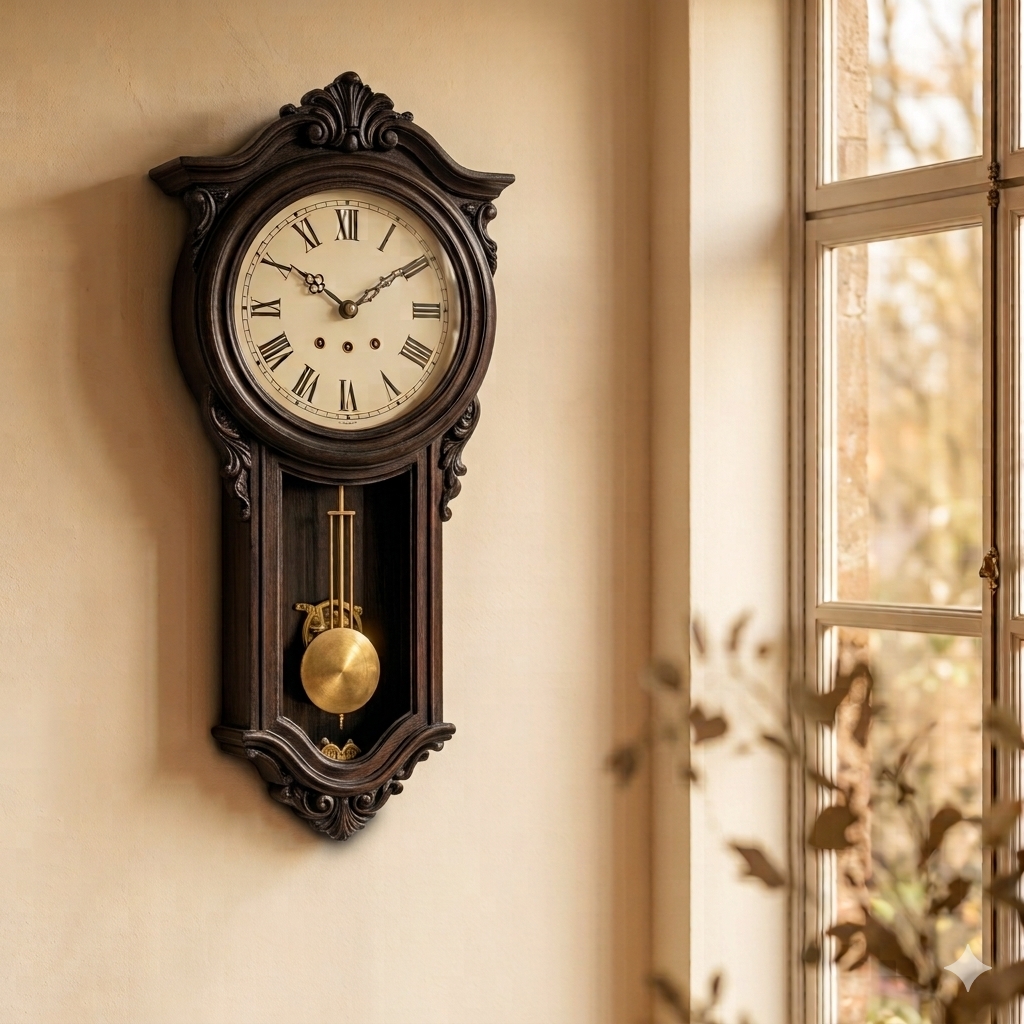
The striking sound of the half hour and full hour, I still miss it honestly. Galileo worked out the pendulum’s swing around 1602, and a Dutch scientist named Christiaan Huygens turned that into an actual working clock mechanism decades later. Inside the case, the swinging pendulum regulated the escapement, a gear system releasing in tiny precise increments, accurate to within a few seconds a week, which were remarkable for the time. The strike ran on its own separate gears and hammers entirely, once for the half hour, the full count on the hour. You didn’t need to look at the clock. You just listened.
The Rotary Telephone
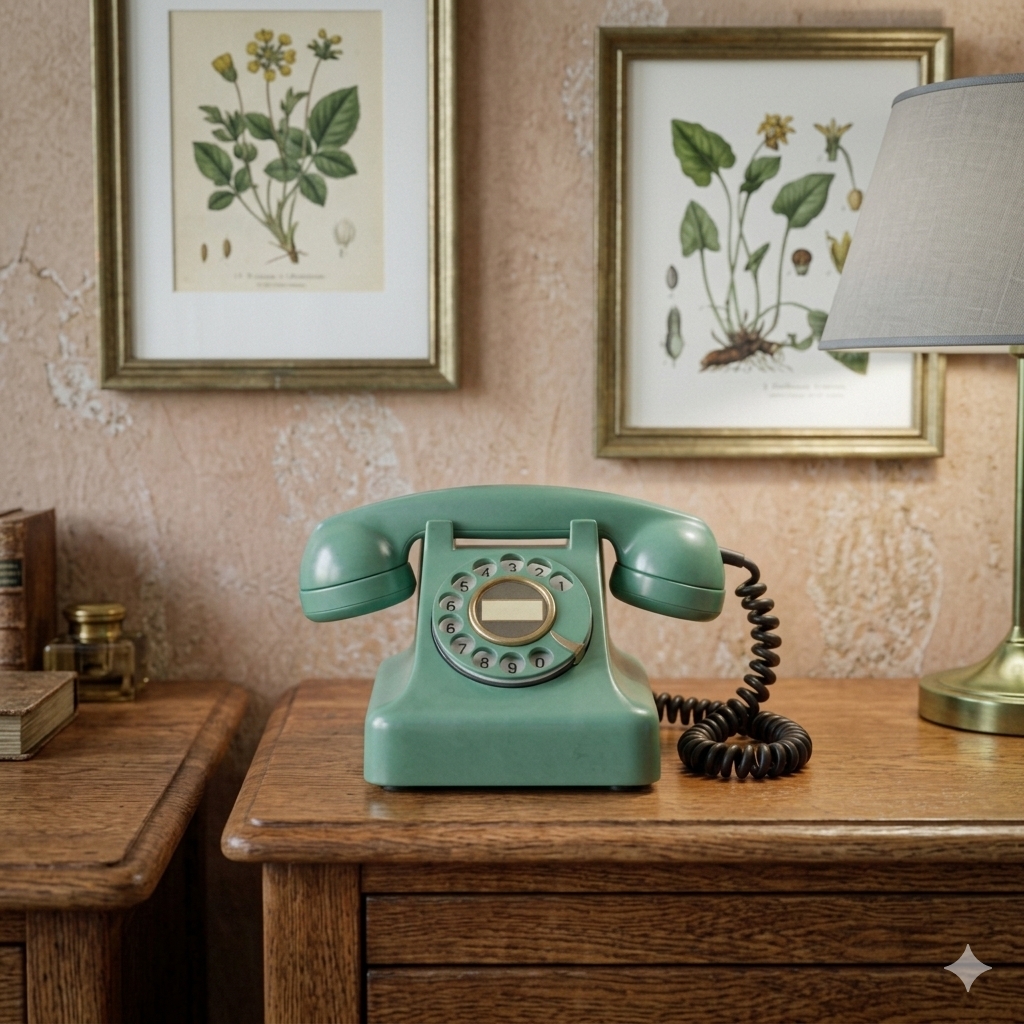
Different mechanism, same idea though, waiting on a machine that was visibly doing something. You dial it and wait, listening to the dialer, that specific sound. Almon Strowger came up with the idea in 1888, and got the patent in 1891, if I’m not wrong, though the familiar dial with finger holes came a bit later, around 1907. Put your finger in a hole, pull it around to the stop, let go. A spring pulled it back, and as it spun, an electrical switch opened and closed that many times.. dial a 7, you sent seven pulses down the line. There was even a tiny centrifugal governor inside keeping the return speed steady. You waited because the machine, quite literally, was doing the counting in front of you.
The Kerosene Stove
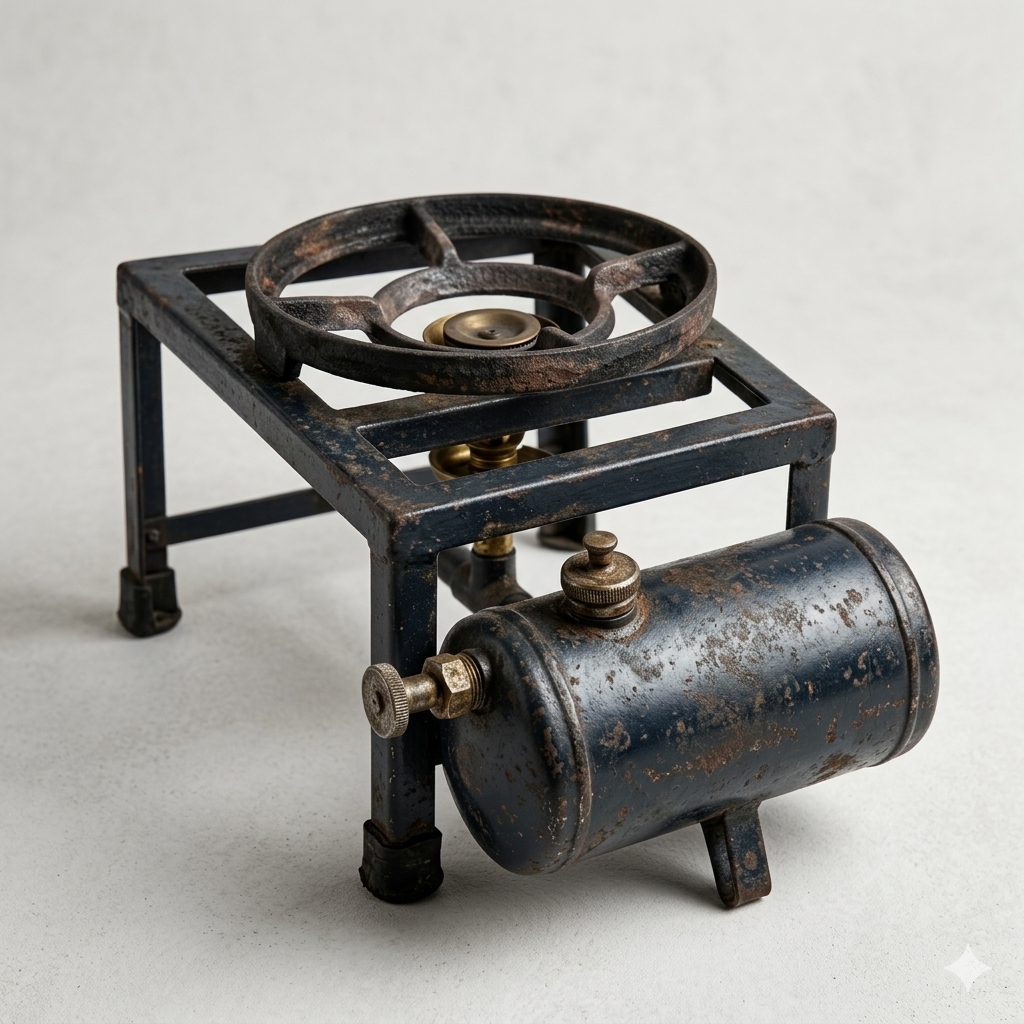
This one required actual attention, not just patience. Most home kerosene stoves worked off a wick, cotton and asbestos woven together, soaking up fuel from a small tank underneath. You lit it with a match, every single time, and the flame only got smaller and smaller as the kerosene burned out of the wick, there was no real “off,” just a slow fade. Keep the wick trimmed wrong and it smoked everything, the pot, the kitchen walls, whoever was standing closest.
There was a better version too, the pressure stove, first built by a Swedish inventor named Frans Lindqvist in 1892 and sold as the Primus. Instead of a wick, you pumped the tank by hand to build up pressure, forcing kerosene through a heated tube that turned it into vapor before it ever reached the flame. No soot, no smoke, a clean blue flame, loud though, people complained about the noise almost as much as they praised the heat. Either version, wick or pressure, you couldn’t just walk away from it. Cooking meant standing there, managing a actual flame the whole time.
The Treadle Sewing Machine
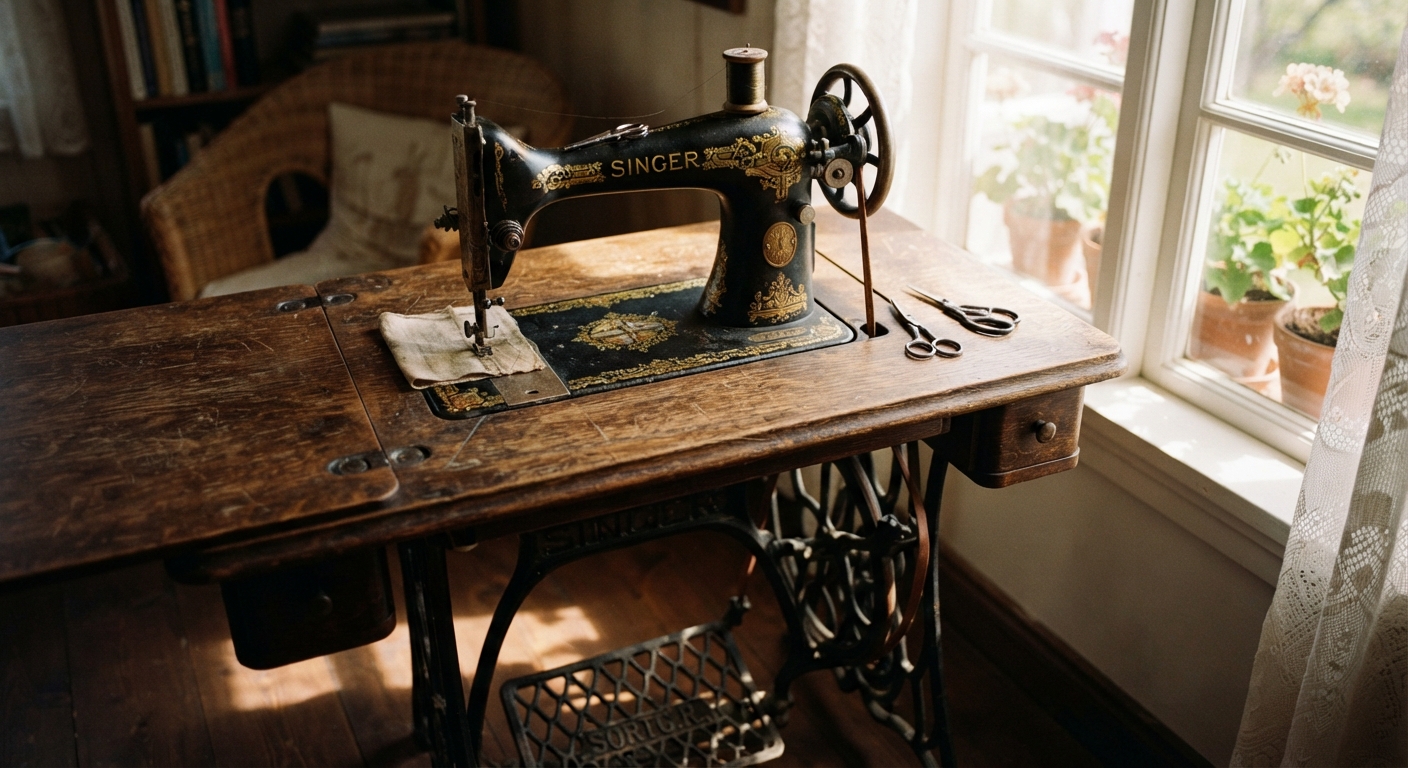
Isaac Singer patented the first commercially successful home version in 1851. Foot treadle instead of a hand crank, which freed up both hands for the fabric. Treadle turns a wheel, wheel turns a belt, belt drives the needle. No motor, no plug. Just your own rhythm the whole time you sat there. Sewing used to mostly belong to tailors and dressmakers before this. Suddenly a family could make and mend their own clothes at home. Some of these machines are still running, generations later, on nothing but oil and a working belt.
We didn’t have choices to make about any of it. Maybe that’s exactly why it felt exciting.
For the deeper mechanics, see the sources linked below.