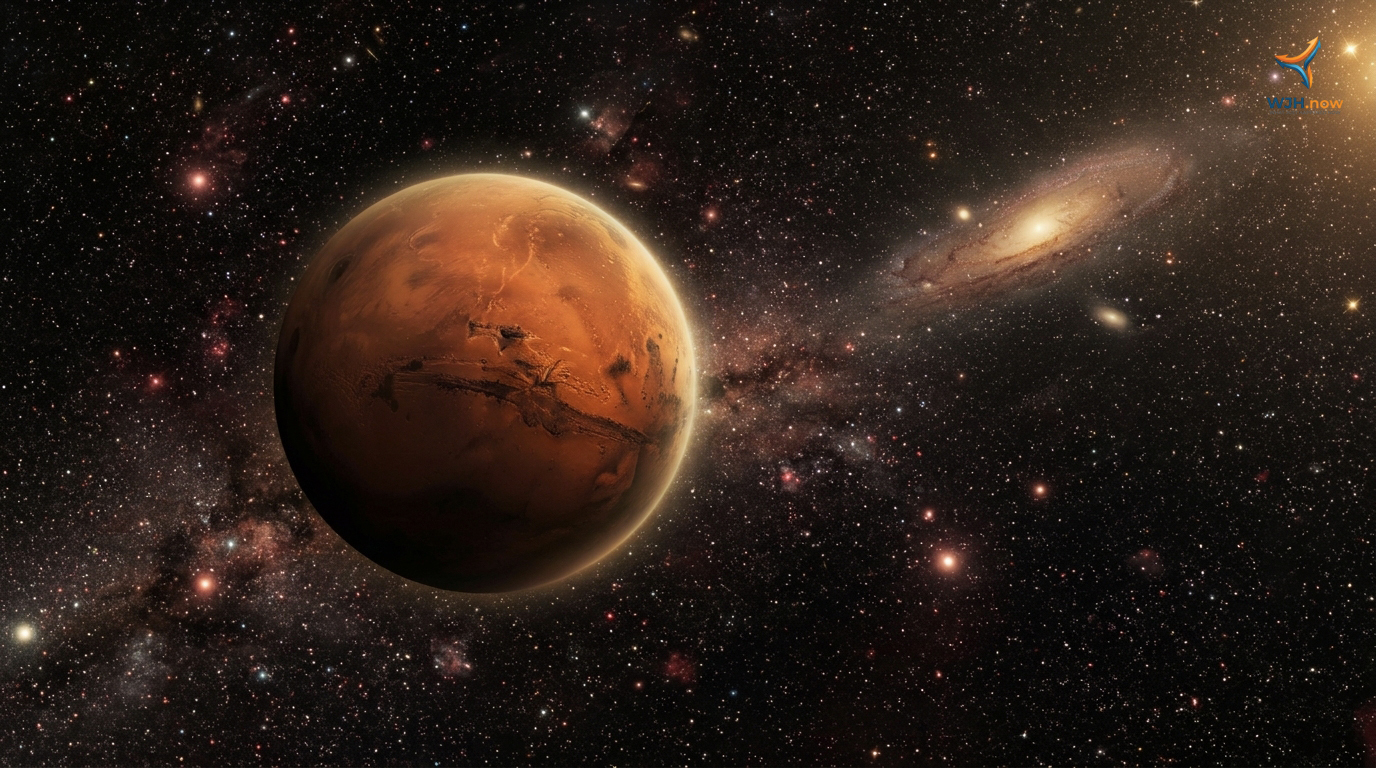
I’ve read a lot of “mind-blowing space facts” listicles, and most of them just recycle the same five facts everyone already knows. So I went digging for the ones that actually made me stop and go “wait, what?” — the kind you’d bring up at dinner and have someone say “no way, you’re making that up.” Here they are.
While we’re on this topic, don’t miss “Did you know? Boiling in space is backwards”: https://wjhnow.com/p/did-you-know-boiling-in-space-is-backwards/
1. Mars sunsets are blue. Yes, the red planet.
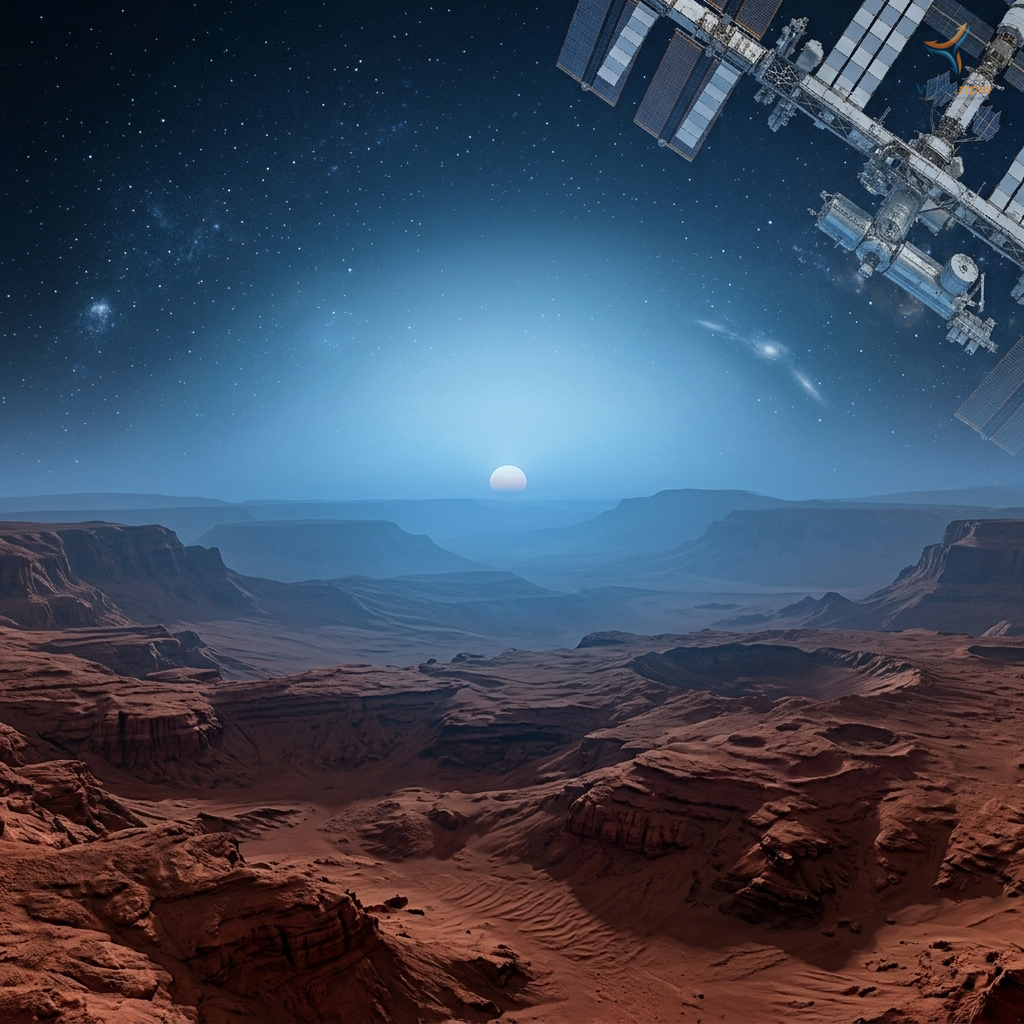
I had to look this one up three times before I believed it. On Earth, sunsets go red and orange because our atmosphere scatters blue light everywhere during the day, leaving red to dominate at dusk. Mars does the exact opposite — its fine dust is oddly perfect at letting blue light punch through close to the sun, while yellow and red scatter across the rest of the sky. So the “red planet” ends the day with a blue sun. NASA’s Curiosity rover photographed it in 2015, and Mark Lemmon, the atmospheric scientist who worked on the mission, put it simply: the dust is “the right size” for blue light to slip through more easily than the rest of the spectrum. If you ever see the actual photo, it looks almost fake — like someone edited a normal sunset backwards.
2. On Venus, your birthday shows up before your day even ends.
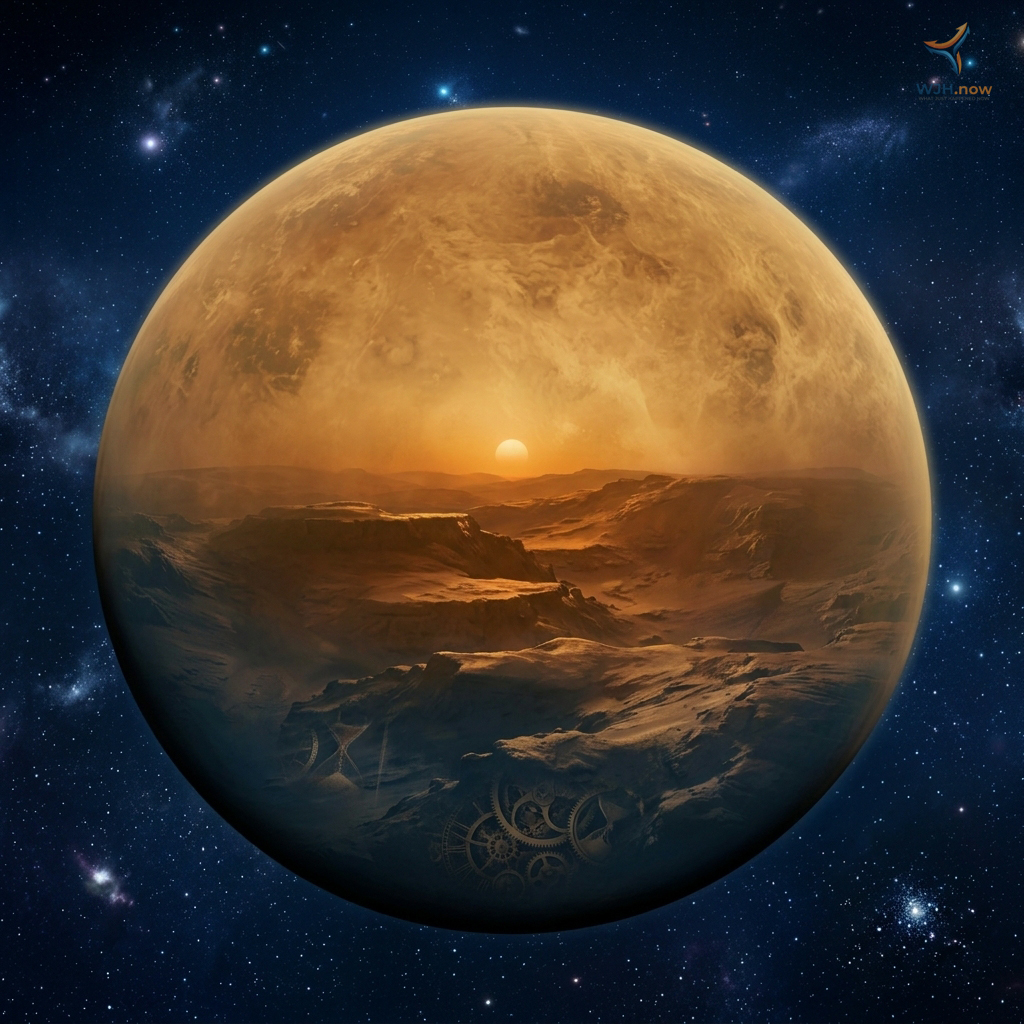
This one broke my brain a little. Venus spins so slowly that one full rotation — one “day” — takes about 243 Earth days. But it zips around the sun faster than that, completing an orbit in only 225 Earth days. So a Venusian year is shorter than a Venusian day. If you lived there, you’d finish an entire trip around the sun before you’d even made it through a single sunrise-to-sunrise cycle. I still don’t fully have an intuition for how that’s even possible, and I’ve read the explanation four times.
3. A teaspoon of neutron star could weigh a billion tons.
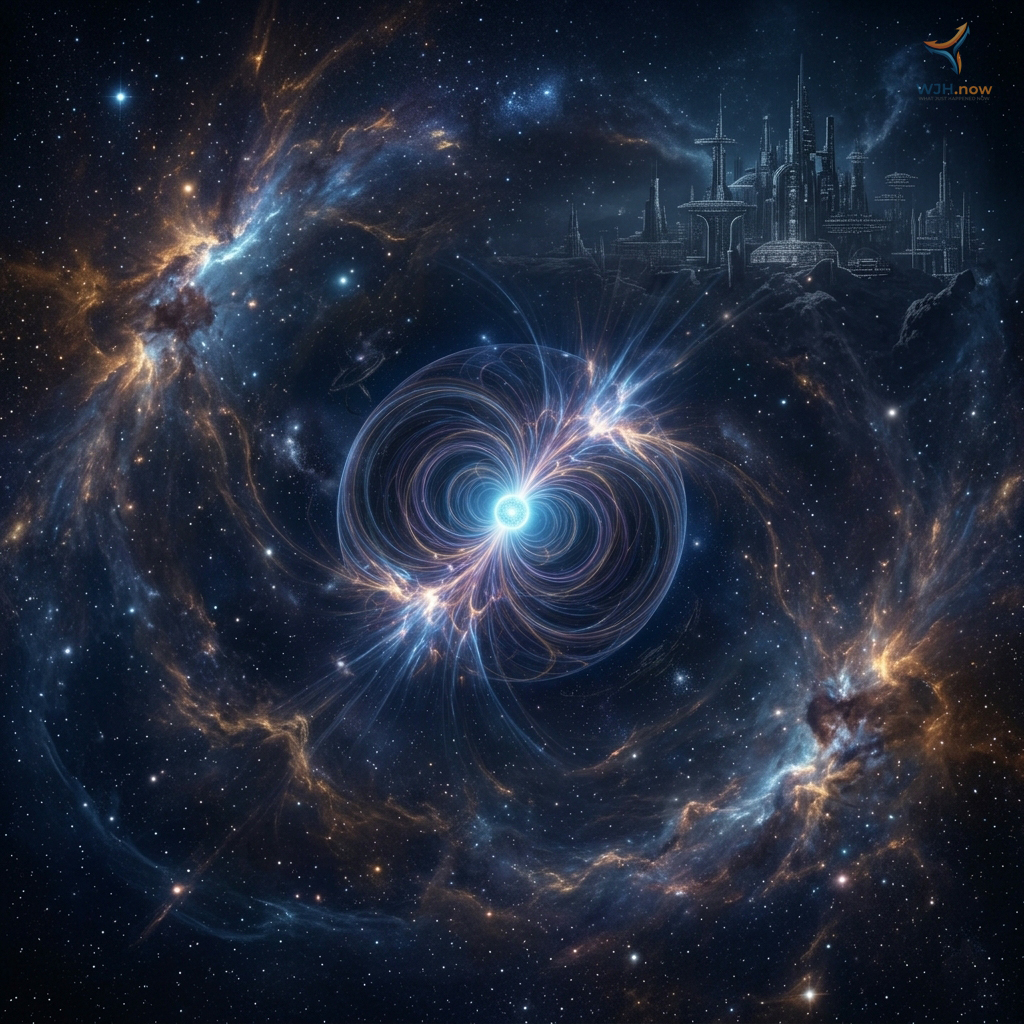
Neutron stars form when a massive star collapses in on itself, and the leftover core gets crushed to a size you could practically walk around in an afternoon — some are estimated at only about 12 miles across — while still holding more mass than our entire sun. The density that results from squeezing that much matter into that small a space is almost impossible to picture. Scientists estimate a piece the size of a sugar cube could weigh as much as a mountain. A teaspoon? Somewhere north of a billion tons. I tried to find a real-world comparison for this and just… couldn’t. There isn’t one.
4. There’s a planet where it might rain glass sideways.
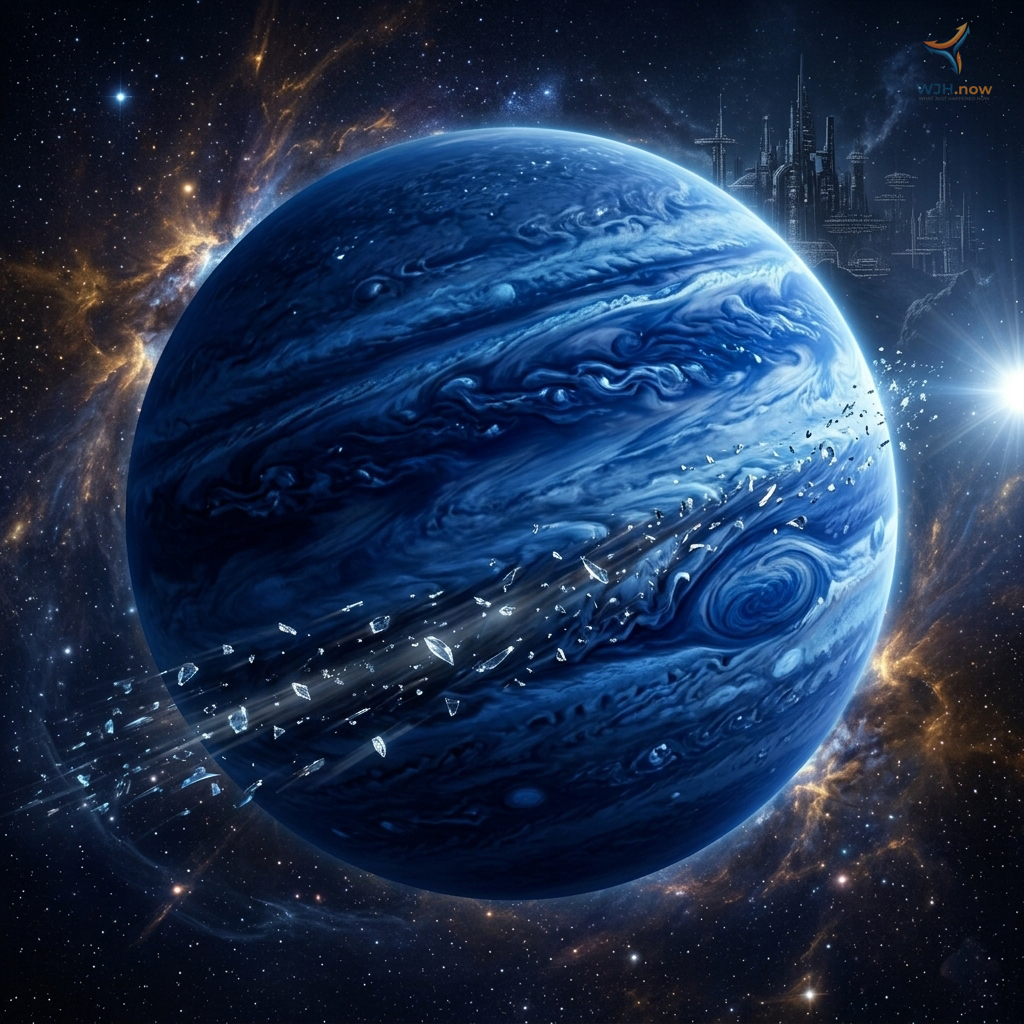
HD 189733b sits about 64 light-years away, and its atmosphere is thought to be loaded with silicate particles — essentially the ingredients for glass. Combine that with winds clocked around 5,400 mph (fast enough to lap the entire planet in hours), and you get a world where, if the models are right, glass doesn’t just rain — it flies sideways at hypersonic speed. This is the one I’d genuinely be terrified to see up close, even from orbit.
5. Saturn is so light it would float in water.
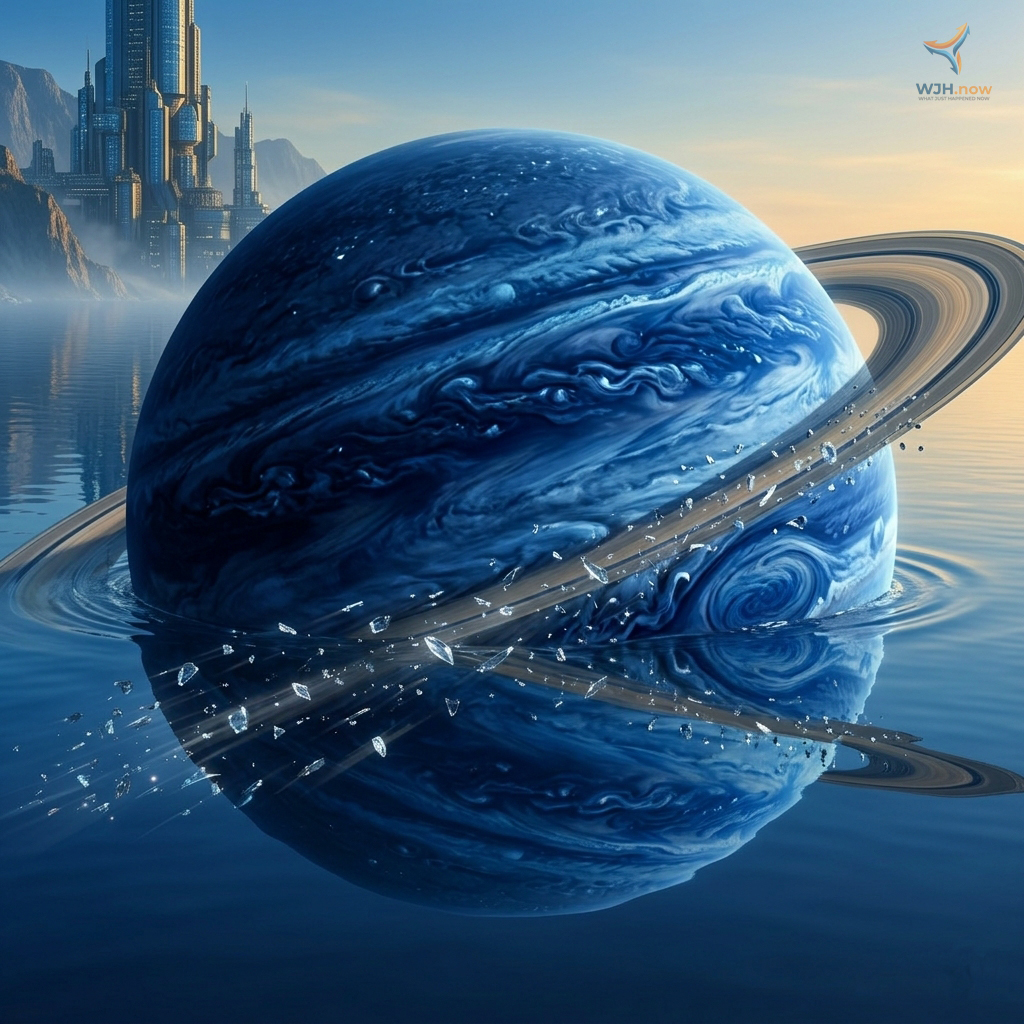
Saturn’s average density is lower than water’s, which sounds like a typo but isn’t. It’s made almost entirely of hydrogen and helium — light gases all the way down — so if you somehow had a bathtub big enough, the whole planet, rings and all, would bob on the surface instead of sinking. I like to imagine a cartoon version of this: Saturn just chilling in a pool, floating like a beach ball.
6. Space has a smell, and nobody expects what it is.
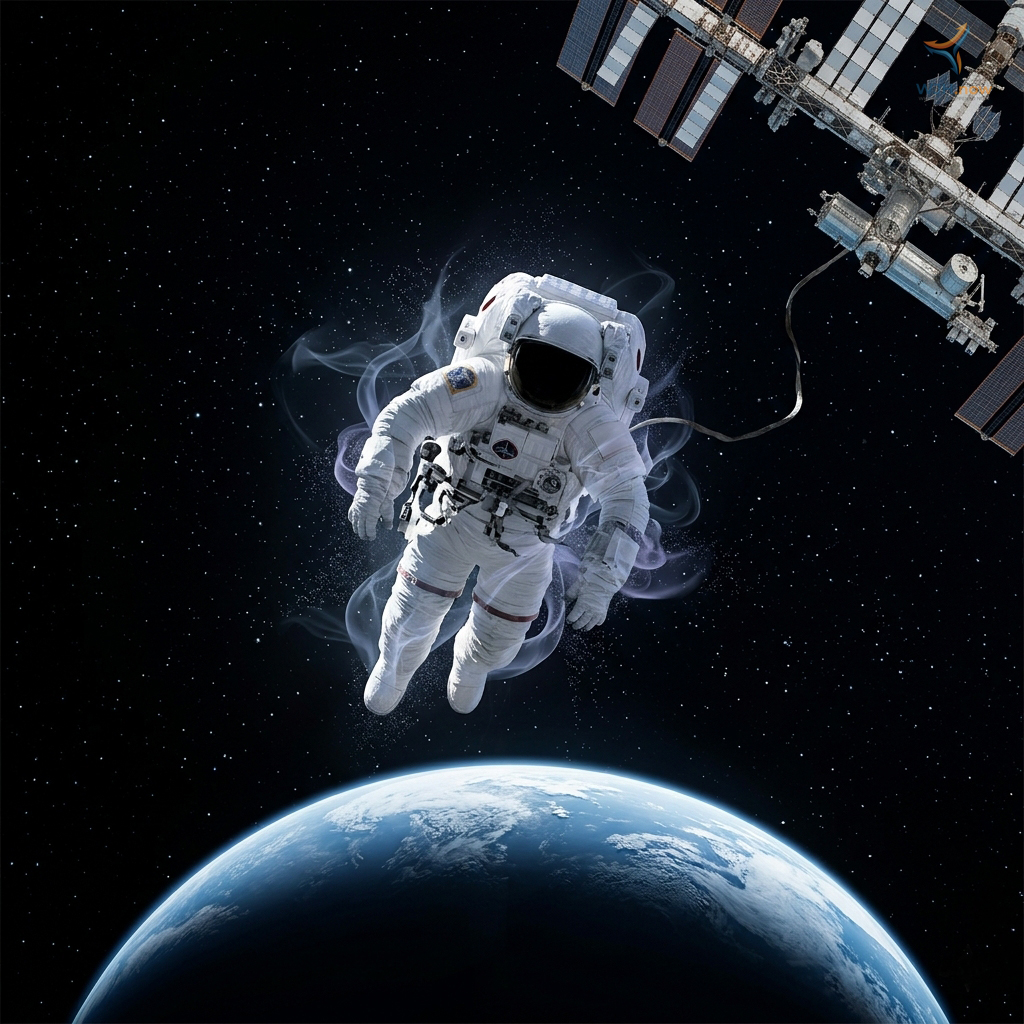
Astronauts who’ve done spacewalks describe a very specific, very consistent smell that clings to their suits and gear once they’re back inside — like seared steak, hot metal, and welding fumes all at once. Nobody smells space directly, obviously, but the leading explanation is that high-energy particles and atomic oxygen react with the suit materials during the spacewalk, and astronauts are essentially smelling the aftermath of that reaction once they’re back in a pressurized environment. It’s such an oddly specific detail that once you hear it, you can’t un-hear it.
7. Mars is eventually getting its own rings.
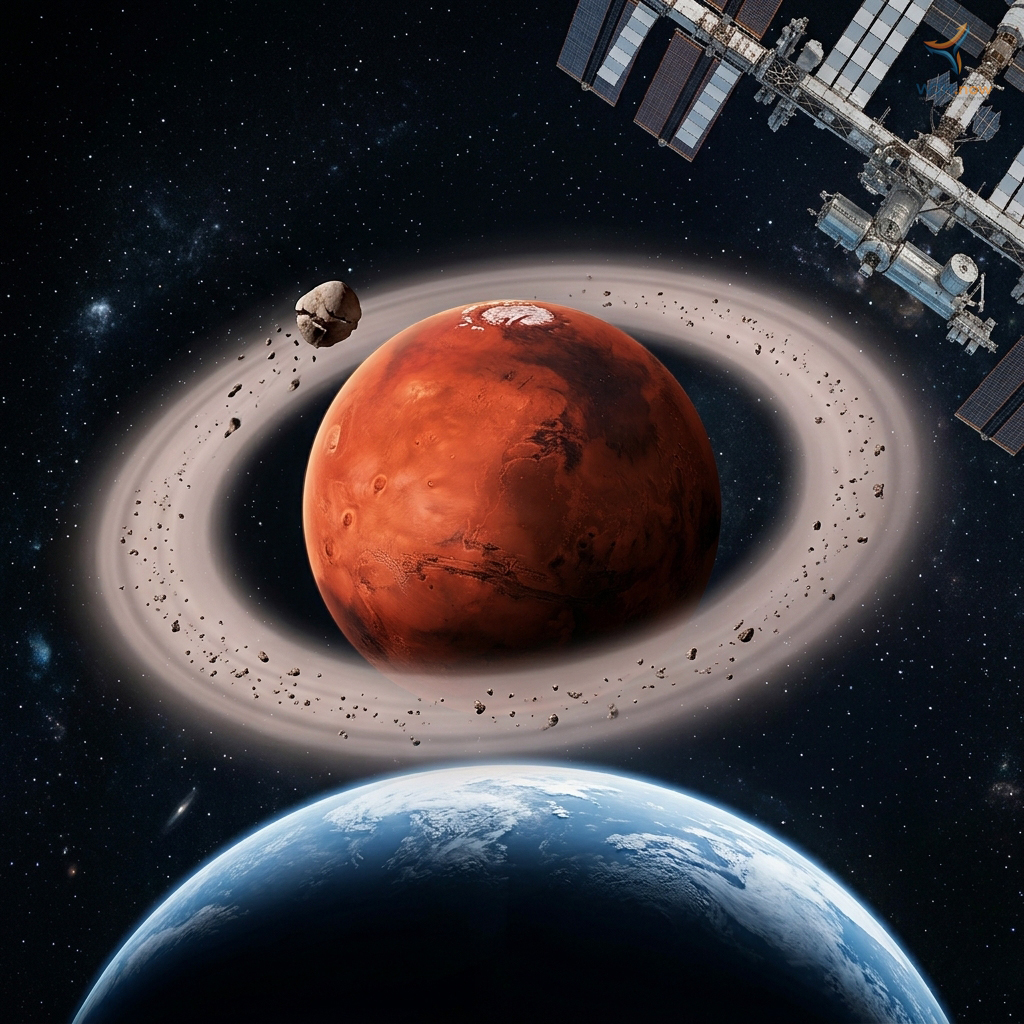
Phobos, Mars’s largest moon, is slowly spiraling inward thanks to tidal forces, and it’s not going to end well for Phobos. Somewhere in the next 30 to 50 million years, scientists expect Mars’s gravity to tear it apart before it ever reaches the surface. The debris won’t just vanish — it’ll likely spread out into a ring system, similar to Saturn’s, just on a much smaller scale. None of us will be around to see it, but it’s a strange little preview of what Mars’s sky is eventually going to look like.